Home Blog

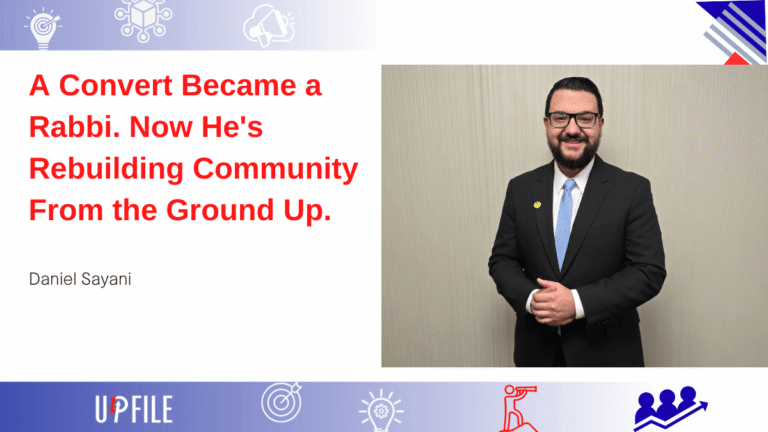
A Convert Became a Rabbi. Now He’s Rebuilding Community From the Ground Up.

0

Most people inherit their religious identity. Rabbi Daniel Sayani chose his.

He was not raised Jewish. He came to the faith as an adult and committed fully. Thirteen years after converting, he holds multiple rabbinic ordinations, leads a synagogue founded by Holocaust survivors, and serves Jewish families across Queens and Brooklyn with scholarship, care, and consistent presence.

Nothing about his path was automatic. That is exactly what gives it meaning.

Credentials That Reflect Real Commitment

Timeline of Rabbi Daniel Sayani's rabbinic credentials and training

Rabbi Sayani’s training stretches across years, institutions, and continents. Every qualification was earned through sustained study and recognized rabbinic authority.

In April 2018, he received ordination as Rav u’Manhig, Moreh Hora’ah from Yeshivas Ohr Kedoshim d’Biala in Boro Park. The yeshiva follows the Biala Chasidic tradition, a lineage centered on warmth and the principle of mevaser tov, finding the good in every person. That spirit shapes how he leads and how he teaches.

He pursued further learning in Jerusalem. In September 2023, he earned a First Degree in Judaic Studies from Yeshivas Bircas haTorah, completing broad and rigorous study across Talmudic and theological subjects. The following month, he received additional ordination through Machon Smicha, with advanced focus on Shabbat law and key areas of kashrut, including melicha, basar v’chalav, and taaruvot. His semicha was conferred under HaRav Chaim Finkelstein, Rosh Yeshiva of Yeshiva L’Rabbonus in Pretoria, South Africa.

In August 2024, he earned certification as a Mesader Kiddushin through Machon Smicha. This credential authorizes him to officiate at halachic Jewish weddings. It was signed by HaRav Dovid Lau, former Ashkenazi Chief Rabbi of Israel, and HaRav Yehoram Ulman, Av Beis Din in Sydney, Australia.

He approaches weddings with genuine seriousness. For him, each ceremony is an opportunity to help couples find real meaning in ancient texts, from the kesuba to the full arc of a halachically structured ceremony.

Readers who want to learn more about his background, community work, and public teaching can visit his official website. A broader collection of his projects and platforms is also available through his Linktree.

Leading a Synagogue With Deep Roots

The Clearview Jewish Center in Whitestone, Queens was established in 1952. Holocaust survivors founded it. That history shapes the congregation’s identity and its sense of responsibility.

Rabbi Sayani became its rabbi in August 2021. He stepped into a community navigating challenges that many smaller New York synagogues know well. An aging membership. Shifting neighborhood demographics. The ongoing work of sustaining Jewish communal life across generations.

The numbers provide useful context. UJA Federation of New York’s 2023 Jewish Community Study reports that Queens is home to about 150,000 Jewish people, including roughly 126,000 Jewish adults and 23,000 Jewish children. Despite that population, smaller congregations across the borough regularly face questions about attendance, continuity, and building toward the future.

Queens Jewish population data and community statistics

Rabbi Sayani guided Clearview Jewish Center through a transition to full Orthodox observance. A mechitza was installed. The microphone was removed on Shabbat. These were significant steps, and he led them with patience and genuine care for where each member stood.

He also embraced practical tools to keep people connected. Zoom became a consistent vehicle for learning, reaching seniors who found travel difficult and families with demanding schedules. Technology extended the community’s reach without diluting its substance.

His teaching through the Jewish Learning Institute’s Torah Studies program reflects that same balance. He brings classical texts into conversation with literature, current events, and lived human experience. The learning stays rigorous and stays real.

Presence That Extends in Every Direction

Rabbi Daniel Sayani serving the community across New York

Rabbi Sayani’s sense of obligation reaches well beyond the synagogue.

He delivers invocations at 9/11 and Veterans Day commemorative events in Marine Park, Brooklyn. That regular civic presence has built genuine relationships across faith lines, including a lasting friendship with Roman Catholic Deacon Fred Ritchie. Interfaith connection built through shared public service carries a different quality than connection built in formal settings. It is grounded in showing up, consistently, for something larger than any one community. His broader civic work is explored in this feature on interfaith unity and public service.

He organizes the thrice daily recitation of the mourner’s Kaddish on behalf of the deceased. The initiative honors memory, supports Torah scholars in financial need, and creates a meaningful entry point for less affiliated Jews to reconnect with tradition. It is quiet work. It is also essential work.

His rabbinic experience includes kosher supervision and service as a nursing home chaplain. Both require the same fundamental quality. The ability to meet people exactly where they are, without judgment and without rushing. That side of his work is reflected in this profile on his nursing home chaplaincy and in this overview of his service across the tristate area.

In 2020, he led Shore Parkway Jewish Center through the aftermath of an antisemitic attack. The community needed steadiness. He provided it. ABC 7 Eyewitness News covered the incident, and his calm, supportive response demonstrated what communities need from their leaders in hard moments.

Teaching That Reaches Further

Rabbi Sayani shares his learning across multiple platforms, reaching people far beyond his congregation.

He publishes articles with The Times of Israel. He posts recorded lectures on YouTube. For those who want to explore his presentations and structured Torah content in a visual format, his channel offers an accessible collection of his work, organized and available to anyone who wants to learn. His digital teaching was also featured in this article about making Torah learning accessible.

For listeners who prefer audio, his SoundCloud profile offers Torah content that can travel with them through the day. He also shares updates and public engagement through his X profile.

This kind of public teaching reflects a conviction he carries consistently. Torah is not meant to stay behind closed doors. Making it accessible is not a departure from tradition. It is a fulfillment of it.

What This Kind of Leadership Looks Like

New York’s Jewish landscape is broad, layered, and alive with both strength and pressure. Smaller congregations carry real history and sometimes struggle to sustain it. The need for leaders who bring both deep knowledge and genuine human warmth is constant.

Rabbi Daniel Sayani fills that need in a specific and meaningful way. He did not grow up with this role waiting for him. He studied for it across multiple cities and countries. He earned the right to lead through years of learning under recognized authorities. And he leads with the openness of someone who still remembers what it felt like to stand at the beginning.

A synagogue built by Holocaust survivors deserves leadership that understands weight, memory, and responsibility. His work at Clearview Jewish Center, and throughout Brooklyn and Queens, shows that he takes all three seriously.

Chosen faith, it turns out, can run as deep as any other kind. In Rabbi Sayani’s case, it has meant a life of learning, service, and showing up, fully and consistently, for the people and the tradition he made his own.

At STACS 2026, Dr. Martin Schreiber Warns That Logistics Is as Important As Surgical Skill in Large-Scale War

Speaking at Swiss Trauma & Acute Care Surgery Days 2026, trauma surgeon and U.S. Army Reserve Colonel Dr. Martin A. Schreiber said that in large-scale war, survival may depend as much on clinical talent as it does on the medical system’s ability to move blood, patients, and supplies under fire.

Dr. Schreiber delivered the message during a March 19 military medicine session focused on readiness for large-scale combat operations. His presentation looked at lessons from World War II and applied them to future high-intensity conflicts. The main point was straightforward: when casualty numbers climb into the hundreds of thousands, the biggest threats to survival often come from distance, broken supply lines, and delayed evacuation rather than a lack of surgical knowledge.

That argument carries added weight coming from Schreiber, who has spent years working at the intersection of civilian trauma care and military medicine. He serves as an Adjunct Professor of Surgery at the Uniformed Services University of the Health Sciences and is a Colonel in the U.S. Army Reserve. His background includes senior trauma leadership roles during deployments to Iraq and Afghanistan.

At the Bern meeting, Schreiber urged trauma leaders to think beyond the operating room. In a contested environment, he suggested, even well-trained teams can be limited by shortages of blood products, damaged transport routes, disrupted communications, and long evacuation times. The challenge is not simply whether clinicians know what to do. It is whether the system around them still functions when the battlefield stretches resources past the breaking point.

That theme shaped the larger military medicine session, which brought together U.S. and Swiss experts to examine how trauma systems respond under wartime pressure. COL Dr. Jennifer M. Gurney, Chief of the Joint Trauma System for the U.S. Army, also presented. The program included case discussions based on real U.S. war casualties, giving the session a practical focus rather than a purely theoretical one.

Schreiber then joined an international expert panel that reviewed those cases in detail. Panelists discussed how principles of trauma care change when evacuation is delayed, resources are limited, and casualty volume is high. The discussion included specialists from both U.S. and Swiss institutions, reflecting the increasingly international nature of military and civilian trauma planning.

The setting reinforced the point. The conference opened with visits to two Swiss facilities built around resilience and continuity of care: an underground hospital designed to function even during a nuclear event and a Cold War-era underground fortress. Those site visits offered a visible reminder that preparedness is not only about surgeons and protocols. It also depends on infrastructure that can survive disruption.

Major General Dr. Andreas Stettbacher, Surgeon General of the Swiss Armed Forces, hosted the session and framed the discussion within a broader view of national preparedness. From Switzerland’s perspective, protected medical infrastructure and operational continuity remain central to planning for extreme scenarios. That approach aligned closely with Schreiber’s message that medical readiness in war depends on systems that can absorb shocks and keep working.

The session comes at a time of renewed global interest in military medical readiness. Many trauma leaders are reexamining whether civilian and military systems are prepared for conflicts marked by mass casualties, extended transport times, and contested logistics. Lessons from recent wars, as well as older conflicts, have pushed planners to look again at blood distribution, forward resuscitation, prolonged field care, and the need for flexible evacuation models.

Schreiber’s remarks fit squarely within that discussion. His message was not that surgical skill matters less in absolute terms, but that skill alone is not enough. In large-scale war, outcomes may hinge on whether teams can get patients to care in time, whether blood is available when needed, and whether the system can continue operating when usual assumptions about transport and access no longer hold.

His appearance at STACS 2026 adds to a busy year of recognition and visibility in trauma medicine. It also highlights the growing overlap between military and civilian trauma systems, where lessons from combat care continue to influence planning, training, and emergency response.

Swiss Trauma & Acute Care Surgery Days remains one of the key forums for those conversations. By bringing together European and U.S. experts in trauma, critical care, and military medicine, the meeting offers a place to test ideas that may shape how health systems prepare for future crises.

At this year’s gathering, Schreiber’s warning was clear. In the next major war, the question may not be whether surgeons know how to save lives. It may be whether the system can still deliver the basics needed to let them try.

How to Fall Asleep Fast (2 Minutes or Less)

0

You can’t guarantee sleep in exactly 2 minutes, but you can train your body and brain to switch into “sleep mode” very quickly.

Below is a simple guide from the perspective of a sleep doctor and writer. Think of it as a routine you practice nightly—not a magic trick—and within a few weeks many people fall asleep much faster.

First, a quick reality check

Before we jump in:

  • No trick can force you to sleep on command every single time.
  • What we can do is quiet your nervous system, slow your heart rate, and make it much easier for sleep to happen.
  • The method I’ll show you—often called the “military method” or a variation of it—takes about 2 minutes per round and works best when you practice it every night for 2–4 weeks.

Think of it like learning to ride a bike. Clumsy at first, smooth with repetition.

The 2-minute wind-down routine

You can do this lying in bed on your back, or on your side—whatever is comfortable. I’ll talk you through it as if I’m there with you.

Step 1: Set up your sleep environment (30–60 seconds)

Make the room tell your brain: “It’s sleep time.”

  • Lights low or off – Bright light is a “wake up” signal to your brain.
  • Screen away – Put your phone face down or out of reach.
  • Temperature slightly cool – Around 60–67°F (15–19°C) helps most people.
  • Get comfortable – Adjust pillow, blanket, and sleeping position.

This alone won’t knock you out, but it removes the “brakes” your environment puts on sleep.

If you’re lying in bed scrolling with the light on, no breathing trick will fully compensate for that.

The 2-minute sleep technique (do this in bed)

We’ll combine relaxation, breathing, and mental focus. Go step by step.

Step 2: Relax your face and shoulders (about 30 seconds)

Lie down and gently close your eyes.

  1. Drop your face.
    • Let your forehead go smooth, stop frowning.
    • Let your eyebrows, eyelids, and jaw go heavy.
    • Leave a tiny gap between your teeth; your tongue rests loosely.
  2. Soften your shoulders.
    • Imagine your shoulders melting down into the bed.
    • Let your neck muscles release.
  3. Let your arms go heavy.
    • Start with your dominant side: relax your upper arm, forearm, then hand and fingers.
    • Then the other side.

If you catch yourself tensing again, that’s okay. Just gently relax the muscles once more. No judgment.

Step 3: Relax your chest, back, and legs (about 30 seconds)

Now we move down the body.

  1. Chest and back
    • Take a slow breath in through your nose.
    • As you breathe out, imagine all the tightness in your chest and back flowing out with the air.
  2. Stomach
    • Let your belly soften. You don’t need to “hold” it in for anyone. This signals to your body that you’re safe.
  3. Legs
    • Start at your hips and thighs: imagine them getting heavy.
    • Relax your knees, calves, ankles.
    • Let your feet flop outward; relax each toe.

Your whole body should now feel a little heavier, like you’re sinking into the mattress.

Step 4: 4-6-8 Calm Breathing (about 40–60 seconds)

Now we tell your nervous system to slow down.

Use this pattern:

  1. Inhale quietly through your nose for 4 seconds.
    (Count in your head: 1–2–3–4.)
  2. Hold your breath for 6 seconds.
    (1–2–3–4–5–6.)
  3. Exhale slowly through your mouth for 8 seconds.
    (1–2–3–4–5–6–7–8.)

Repeat this 4–6 times.

What this does:

  • Slows your heart rate
  • Signals your brain: “We’re safe. We can power down.”
  • Reduces the physical sensation of anxiety or racing thoughts

If 4–6–8 feels too long, you can use a shortened version like 3–3–6. The key is: longer, slower exhale than inhale.

Step 5: Calm your mind with simple images (about 30 seconds)

A quiet body needs a quiet mind. If your thoughts are racing, you’re not broken—that’s just a wired brain.

Try one of these mental “scripts” while you breathe:

Option A: The “lazy counting” trick

  • As you breathe, count slowly backwards from 100.
  • Make it boring on purpose. If you lose your place, don’t restart. Just pick a number and keep going.

You’re gently giving your mind one dull task, instead of 50 stressful ones.

Option B: The “peaceful scene” trick

  • Picture a simple, calm scene:
    • Lying on the beach at sunset, or
    • Floating on a quiet lake, or
    • Walking through a forest path.
  • Involve your senses: what do you see, hear, feel?

If a stressful thought pops in, notice it and gently bring your focus back to your scene or your counting.

Step 6: If you’re not asleep yet, don’t panic

Sometimes you’ll still be awake at the end of 2 minutes. That doesn’t mean it isn’t working.

Do this instead of getting frustrated:

  • Stay where you are. Repeat the breathing and body scan.
  • Tell yourself: “My job is to relax. Sleep will come when it’s ready.”

Worrying about not sleeping keeps your brain alert. Your goal is relaxation, not “forcing” sleep.

Bonus: Make falling asleep fast much easier

The 2-minute method works best on top of good daily habits. Think of these as “sleep shortcuts” you build during the day.

1. Keep a regular sleep schedule

  • Try to go to bed and wake up at roughly the same time every day, even weekends.
  • Your brain loves rhythm—when it knows what to expect, it powers down faster.

2. Get light in the morning, dim light at night

  • Morning: 10–20 minutes of daylight (even on a cloudy day) tells your internal clock when “day” starts.
  • Evening: Dim screens and bright lights at least 60 minutes before bed.

3. Watch the caffeine clock

  • Caffeine can stay in your system for 6–8 hours or more.
  • Try to avoid coffee, energy drinks, and strong tea after mid-afternoon.

4. Create a short pre-sleep routine (5–15 minutes)

Do the same simple sequence every night before bed so your brain learns the pattern:

Examples:

  • Wash face, brush teeth, stretch for 2 minutes, then bed.
  • Herbal tea, light reading (paper, not phone), then bed.

Consistency is more important than perfection.

5. Deal with the “busy brain” earlier

If your mind explodes with thoughts when your head hits the pillow, try this:

  • “Worry download” 1–2 hours before bed:
    • Take a notebook.
    • Write down everything on your mind: tasks, worries, ideas.
    • Next to each item, write a tiny next step or a time you’ll handle it.

You’re telling your brain: “I’ve captured this. I don’t need to think about it in bed.”

When should you talk to a doctor?

Fast sleep tricks are helpful, but sometimes you need more support.

Consider speaking with a healthcare provider if:

  • You struggle to sleep at least 3 nights a week for more than 3 months.
  • You wake up many times per night and feel unrefreshed.
  • You snore loudly, choke, or stop breathing in sleep (someone may notice this).
  • You feel very sleepy during the day, even after a full night in bed.
  • You rely on alcohol or sleeping pills most nights.

These can be signs of insomnia, sleep apnea, or other sleep disorders that deserve proper evaluation.

Quick summary you can try tonight

In bed, lights low:

  1. Get comfortable – cool room, screens away.
  2. Relax your face and shoulders.
  3. Relax your chest, stomach, and legs.
  4. Do 4–6 rounds of 4-6-8 breathing.
  5. Focus your mind on counting or a calm scene.
  6. If you’re still awake, repeat without stressing about it.

Practice this nightly for a couple of weeks. You’re teaching your body and brain a new, faster path into sleep.

How to Find the Cheapest Deals on Dumpster Rentals

0

Renting a dumpster does not have to be expensive. Many people assume the price is fixed, but that is not true. Dumpster rental rates vary by company, size, location, weight limits, and how long you keep the container. If you know what to look for, you can save a lot of money without sacrificing service.

This guide breaks down the most effective ways to get the lowest price on a dumpster rental. Whether you are cleaning out a garage, starting a remodel, or managing a construction job, these steps will help you find a fair deal every time.

Start by Knowing What Size You Actually Need

The first step in saving money is choosing the right size. Every dumpster has a base price. Larger dumpsters cost more. But renting a dumpster that is too small can cost even more. You might fill it too fast and need a second rental. That means another delivery, another pickup, and a bigger bill.

A simple rule helps. If you are on the fence between two sizes, choose the larger one. It often costs only a little more. It prevents the cost of ordering a second bin. And it gives you room to load everything at once.

If you truly want the cheapest option, estimate the amount of debris before you book. Measure the job. Look at what you are throwing away. Ask the rental company for advice. They can often guide you based on your project type.

Compare Prices From Several Local Companies

Dumpster rental rates can vary widely. One company may charge $200 more than another for the same-size container. That is why you should always get at least three quotes.

When comparing quotes, ask each company:

  • What size do they recommend?
  • What is the base price?
  • How many days are included?
  • What is the weight limit?
  • What are the fees for extra weight or extra days?
  • Are there delivery charges for your area?

A quote that looks cheap at first may not be cheap once you see the fine print. Some companies offer low base rates but high overage fees. Others include generous weight limits and longer rental periods at lower rates. Compare everything, not just the front-end price.

Look for Companies With Flat-Rate Pricing

The easiest way to get the best price is to choose a company that uses flat-rate pricing. Flat-rate pricing includes delivery, pickup, disposal, and a set weight limit. You know exactly what you will pay unless you exceed the weight limit.

This is usually cheaper than companies that charge separately for each line item. It also removes surprises at the end of your rental. Many of the lowest-cost companies in Sarasota use this type of pricing because it keeps things simple for the customer.

Be Aware of Weight Limits

Weight limits directly affect price. Every dumpster comes with a certain weight limit. If you go over, you pay more per ton. Heavy materials like shingles, dirt, concrete, and plaster push you past that limit fast.

To save money, be mindful of what you toss. If your project involves heavy debris, ask about special pricing. Some companies offer “heavy debris” dumpsters for concrete and dirt, which may cost less than paying overage fees.

If your debris is light, you may be fine with a smaller container at a lower price.

Ask About Discounts

Dumpster rental companies often offer deals, but many renters never ask. You may be able to get a lower price by asking about:

  • Homeowner discounts
  • Contractor pricing
  • Military or senior discounts
  • First-time customer deals
  • Extended rental discounts
  • Same-day booking specials

Many companies will adjust the price to earn your business, especially if you are comparing quotes.

Choose the Right Placement to Avoid Extra Fees

Placement matters. If the driver arrives and cannot place the dumpster because a car is in the driveway or the space is blocked, you may be charged a “dry run” fee. This can eat into your budget fast.

Choose a clear, flat area. Move vehicles ahead of time. Trim branches if needed. Make sure the spot has enough room for the delivery truck to back in safely.

Avoiding dry run fees keeps your rental on budget.

Avoid Prohibited Items to Prevent Charges

Placing prohibited materials in a dumpster can result in additional charges. Hazardous waste that must be processed separately can be very expensive. Additionally, the rental company will charge you for any banned materials discovered by the landfill. Common prohibited items that generate excessive costs include:

Common items that raise fees include:

  • Paint
  • Chemicals
  • Batteries
  • Tires
  • Electronics
  • Fuel containers
  • Asbestos materials

Keep these out of the dumpster. Ask your rental company for guidance on special disposal options. This protects your wallet.

Do Not Keep the Dumpster Longer Than Needed

Most companies include a rental window of 7 to 10 days. If you keep the dumpster longer, you pay extra per day or per week. This adds up fast.

Plan your project timeline before the dumpster arrives. Load it as you go. Call ahead to schedule pickup before the end of your rental period. This is one of the easiest ways to avoid extra fees.

Look for Companies With No Hidden Fees

The cheapest dumpster rental is not always the one with the lowest starting price. The cheapest deal is the one with no surprise charges.

A company with transparent pricing will clearly explain:

  • Your weight limit
  • Your rental duration
  • Your included services
  • Your potential fees

If a company avoids answering questions or cannot give a clear breakdown, skip them. The best price is the one you can trust.

Schedule During Non-Busy Days When Possible

Weekends and Mondays book fast. During busy weeks, companies may raise rates. If you have a flexible schedule, ask whether weekday delivery is cheaper. Some companies offer lower prices for Tuesday, Wednesday, or Thursday drop-offs because trucks and staff are more available.

A simple shift in timing could save you money.

Final Thoughts

Obtaining the most affordable dumpster rental largely depends on planning. Identify your needs. Get quotes. Ask questions. Be aware of your weight limitations. Opt for flat-rate pricing. Be cautious of additional fees. When you follow these tips, you can get the right dumpster at the lowest possible price.

The In House Counsel’s Role in Clinical Ethics Driven Risk Management

0

Most health systems, and certainly most lawyers, perceive the need for legal services only when a catastrophic event occurs. A dispute. A lawsuit. A regulatory agency may issue a notice. Inside a health system, however, the best-performing legal teams are helping to create conditions to avoid disasters long before a courtroom is ever involved. They sit at the confluence of ethics and clinical care. They react quickly. They provide advice during periods of intense emotional pressure and short timelines.

As such, this concept may seem counterintuitive in a world where risk management typically occurs in response to problems, rather than as a preventative measure. However, it is successful in protecting patients, supporting clinicians, and creating trust within the system.

Steven Okoye, Esq., exemplifies this approach. Mr. Okoye is a corporate and healthcare attorney with firsthand experience in the value of integrating legal thinking into clinical ethics. His work illustrates that the most effective risk management occurs through collaborative efforts—not through the “firefighting” that often occurs with last-minute interventions.

Why Clinical Ethics Matters for Legal Risk Management

Clinical ethics is not a soft science; it is a practical tool. Every day, hospitals encounter questions without easy answers. End-of-life decision-making. Family conflict. Limited resources. Consent disputes are a common occurrence. The process involves making decisions about capacity. These issues can develop rapidly. Emotions become heightened. Family members become worried. Clinicians begin to feel pressured. An unclear conversation with the family can evolve into a serious complaint.

Legal departments often receive a case file much too late. By the time they receive the case file, all parties involved feel defensive. People often view the legal team as the “bearer of bad news.” As a result, the quality of the patient experience suffers.

There is a better way to manage the situation. Simply bring the legal and ethics teams together at the beginning. View ethics consultations as a type of frontline risk management. Use them to establish common ground before frustration develops.

Benefits of Collaborative Work Early On

Collaboration between attorneys and ethics committees creates a different atmosphere. It creates a slower pace. It emphasizes clarity over assigning blame. Attorneys learn the clinical context. Ethics committees learn the regulatory constraints. Together they establish options that protect both patient rights and institutional integrity.

It is important to note that the legal team is not directing clinical care. The legal team is offering perspective. The legal team is assisting clinicians in seeing how the decisions they make will be interpreted under applicable federal and state laws. The legal team is assisting families in understanding what the organization can and cannot do. The legal team is translating regulations into understandable language.

Steven Okoye, Esq., discusses the value of clear communication in his practice. In his experience, many disputes dissipate once families understand the logic behind the medical recommendations. People desire honesty. They desire consistent behavior. They desire assurance that their concerns are being considered. When the legal and ethics teams communicate early and straightforwardly, achieving these objectives becomes easier.

Converting Difficult Situations Into Manageable Decision-Making Processes

Consider an end-of-life dispute. A family may be demanding that the clinician perform a procedure that they believe will cause harm to the patient or extend the patient’s suffering. This is a difficult and emotionally charged situation for all parties. However, it is also an opportunity for ethics and legal teams to work together.

The ethics team can assist in outlining the underlying principles of the medical recommendation. The legal team can explain the patient’s rights and the organization’s obligations. A joint conversation helps establish alignment. Both sides are aware of the complete picture. A path toward agreement is created. Litigation is reduced.

Resource allocation is yet another area of contention. During peak demand seasons, hospitals must determine which patients receive priority for limited treatments. While this issue is primarily clinical, it also poses a legal risk if the allocation is inconsistent or poorly documented. Early collaboration results in policies that protect the hospital while remaining fair.

This is the essence of ethics-driven risk management. It provides structure to uncertainty. It provides direction when the circumstances surrounding a decision are imperfect.

How the Traditional Model Fails

Many hospitals consider legal and ethics work to be separate functions. Compliance is managed by the legal team. Values are managed by the ethics team. They rarely interact until there is a dispute already underway. This model delays problem resolution. It introduces tension. It assumes clean lines of demarcation exist in clinical decision-making, but they do not.

Patients do not perceive themselves receiving care in separate domains. Families do not distinguish between ethics and law. Their interests are intermingled with emotion, values, and rights. When an organization responds to their interests in parts, the patient experience is fragmented. The risk of adverse consequences increases.

An integrated model is perceived as calm. It is perceived as human. It is perceived as prepared. It also enhances staff trust. Clinicians have increased confidence in their decisions when they know that their good-faith actions have the support of the legal team. Ethics committees have additional tools available to facilitate clearer communications. Hospital administrators have earlier knowledge of potential risk areas.

A Contemporary Approach for a Changing Health Care Environment

Healthcare technology has allowed for the rapid delivery of clinical care. Patients have more access to information. Expectations of the public have evolved. Consequently, the previous “wait and respond” model for managing risks is no longer sufficient. Healthcare organizations require a system capable of anticipating points of friction and resolving them early on.

Attorney Steven Okoye’s work illustrates this transition. Attorney Okoye has observed how early legal guidance can simultaneously safeguard patients, employees, and the institution. Not through control. Through cooperation.

This creates a new purpose for in-house counsel. Counselors are not solely responsible for ensuring compliance with the law. They are partners who aid in converting uncertain clinical ethics into structured and predictable processes. They foster resilience. They enable hospitals to increase their ability to navigate challenging decisions by creating a framework for doing so.

Creating an Organization That Prevents Problems Before They Develop

In-house counsel can implement several basic strategies to cultivate this culture:

Schedule regular meetings with ethics committees. Review difficult cases. Discuss trends. Host brief educational sessions for clinical staff. Document their communications in a format that is accessible and conversational.

These practices produce significant results. They alleviate tension. They promote a collaborative mindset. They transform reactive risk management into proactive risk management.

The ultimate outcome is a calm, supportive clinical environment where clinicians feel empowered to deliver care. Patients feel heard. Families feel respected. The in-house counsel has become a strategic partner instead of a distant authority figure.

Final Thought

Ethics-driven risk management is not merely theoretical; it is a viable approach to reduce dispute frequency, enhance communication, and improve outcomes. Additionally, it provides a vehicle for demonstrating the true value of legal teams. Early. Proactively. Humane.

Attorney Steven Okoye exemplifies the potential impact of this approach. Attorney Okoye’s work exemplifies a fundamental principle: when ethics and legal teams collaborate, everyone benefits.

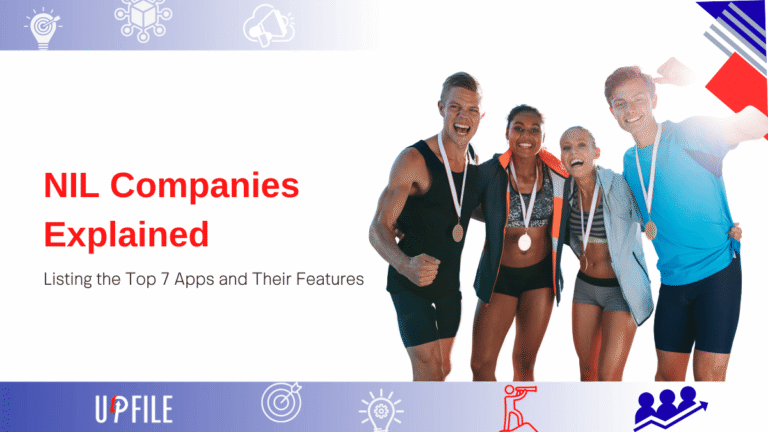
NIL Companies Explained: Listing the Top 7 Apps and Their Features

0

You may have already heard of “NIL” and “NIL companies.”

As a college or high school athlete, you might have also been told you need to register for an NIL company to benefit financially.

However, do you really understand what NIL companies are? How do they function? Which companies are truly benefiting the athletes?

This article will cover the basics of NIL companies, why they were developed, and how they help connect athletes with brands. You will also receive a list of the top NIL companies currently available, including their key functions, demographics they service, and how you can utilize them to secure brand sponsorship.

What Are NIL Companies?

First, we will go back to the beginning and explain what NIL stands for: Name, Image, and Likeness – the rights that give athletes the ability to profit from their individual personal brand.

Until 2021, collegiate athletes could not legally profit from their name or likeness.

However, since the rules have changed, student-athletes (and in some states, high school athletes) can now make money through:

  • Endorsements
  • Social media posts
  • Appearances
  • Fan subscriptions

When NIL companies came into existence, they acted as a connection agent between brands and athletes.

A simple example would be a middleman that connects a manufacturer with a retailer to sell products.

In this case, the middleman is a platform that makes it easier for both parties to communicate, ensures compliance, and provides metrics to measure success.

A quality NIL company will provide you with:

  • Access to brands
  • Inherent compliance
  • Transparency of deals
  • Analytics & reporting
  • Education & support

Overall, they enable you to focus on your sport and also get compensated fairly.

Why NIL Companies Are Important

Prior to the advent of NIL platforms, only elite athletes received sponsorships.

Elite athletes had to have an agent, connections, and appear nationally on television to get sponsorships.

With the creation of NIL platforms, however, all athletes now have the opportunity to profit off their influence.

Small school volleyball players and high school quarterbacks can now receive sponsorship deals with local businesses or national brands.

NIL platforms are providing equality in the process of receiving sponsorship.

These platforms have provided the following benefits to all parties involved:

Allow brands to find niche athletes with large and dedicated followings.
Provide athletes with the opportunity to find legitimate deals without the need of middlemen.


Enable schools to ensure compliance with reporting requirements and payments.

In essence, NIL companies provide the bridge between accessibility and opportunity.

Key Features to Look for in NIL Platforms

While all NIL companies are unique, there are specific elements that you should consider when selecting a platform.

Here are some of the most important features to look for:

1. Marketplace Access

Is the platform connecting you directly with brands?
The highest-rated platforms have searchable databases and brand deal feeds that you can pitch yourself or submit applications for campaigns.

2. Compliance and Transparency

This is crucial.
NIL rules vary based on the state and school; therefore, you need a platform that monitors and reports deals in accordance with NCAA or state law.

3. Analytics and Insights

Good platforms will display how your content is performing (clicks, engagement, conversions).

Brands love data, and you can use it to negotiate better deals with brands in the future.

4. Fan Engagement Tools

Some platforms now offer tools that enable direct fan interaction, such as fan subscription options, donations, or the ability to join your personal “club.”

5. Education and Resources

You are no longer simply an athlete – you are a small business.

Therefore, look for platforms that offer education and resources related to taxes, contracts, and branding.

Top NIL Platform: NIL Club

If you are going to select one NIL company to learn about, it needs to be NIL Club.

NIL Club is changing the way student-athletes connect with fans and brands.

According to PR Newswire, more than 50,000 athletes have successfully negotiated at least one NIL partnership using the application – and that is only within three months after introducing its “Brand Deals” feature.

Currently, the application has listed over 650,000 athletes from 20,000 teams, with a total social footprint of approximately 1.5 billion followers.

This is huge.

So, what does NIL Club actually do?

For Athletes

Builds monthly income via fan subscription and brand deals.
Enables you to create a “club” that enables your fans to interact, contribute, and follow your journey.
Streamlines the campaign and compliance processes.

For Brands

Provides verified athlete profiles and demographic analysis of your audience.
Guarantees transparency, with all deals compliant under NCAA and state regulations.

Why It Is Successful

NIL Club eliminates barriers.

You do not need to be a celebrity – just active, authentic, and engaged.

The platform-based model allows every athlete to pursue sponsorship opportunities.

This is the new method of NIL marketing: accessible, transparent, and scalable.

Second Top NIL Platform: OpenDorse

OpenDorse was one of the first NIL platforms and assisted in creating the standard for how colleges manage NIL compliance.

OpenDorse is a combination of a marketplace and a management tool.

Athletes can create a publicly available profile, while schools use the platform to oversee and report on the activities of their student-athletes.

Recommended for: Student-athletes attending larger schools or those seeking structure and verified brand partnerships.
Unique feature: Institutional dashboards for compliance and disclosure.

Third Top NIL Platform: Icon Source

Icon Source creates direct connections between brands and athletes.

You can browse current available deals, submit yourself for consideration, or negotiate one-on-one with a brand.

Think of it as LinkedIn meets UpWork, but specifically designed for athletes.

Recommended for: Self-motivated and confident athletes looking to create and negotiate their own terms.
Unique feature: Ability to message directly with brands.

Fourth Top NIL Platform: MOGL

MOGL connects athletes with brands that align with the athletes’ personal values.
The company also places emphasis on social responsibility, working with non-profit organizations and local businesses.

Recommended for: Athletes passionate about causes or making an impact in their local community.
Unique feature: Built-in educational resources and financial literacy assistance.

Fifth Top NIL Platform: NOCAP Sports

NOCAP Sports is an NIL management platform for athletes, schools, and brands.

It provides automated compliance tracking, generates tax documents, and serves as a marketplace for NIL deals.

Recommended for: Teams/schools seeking structured compliance tools.
Unique feature: Automates deal review and legal assistance.

Sixth Top NIL Platform: MarketPryce

MarketPryce reverses the typical flow of events.

Rather than waiting for brands to discover you, you can pitch yourself.

You set your price, create proposals, and develop a digital resume.

Recommended for: Established personal brands or niche audience athletes.
Unique feature: Athlete-focused pricing model and pitch tools.

Seventh Top NIL Platform: Blueprint Sports

Blueprint Sports is different than an app in that it develops and manages NIL collectives for universities.

They manage group deals, donor relationships, and brand outreach.

Recommended for: Schools/teams requiring full-service NIL administration.
Unique feature: Complete NIL management services, including fundraising and donor compliance.

How NIL Platforms Are Revolutionizing the World of Athlete Marketing

In less than 5 years, NIL companies have completely transformed the relationship between athletes and brands.

Here is an overview of how this has occurred:

  • Increased accessibility: All athletes can now connect with brands.
  • More smaller deals with larger volume: Most NIL revenue now comes from local/micro-influencer partnerships.
  • Improved compliance: Platforms automate reporting, which reduces risk for athletes and schools.
  • Direct fan support: Some platforms (e.g., NIL Club’s “fan clubs”) allow athletes to earn money without brands involved.

To summarize, NIL companies have taken what was once a closed market and converted it into an open marketplace.

Tips for Successfully Using NIL Platforms

Create a strong profile
Include photos, sport statistics, social links, and your story.

Be authentic online
Brands want genuine voices, not scripted promotions.

Start small
Local businesses make great first deals.

Measure performance
Use analytics tools to show your past performance and negotiate better future deals.

Follow the rules
Always disclose deals and know your school’s NIL policy.

Utilize multiple platforms
You can list on multiple apps (e.g., NIL Club and Icon Source) to maximize exposure.

Engage your fans
Your fans are your largest audience and the reason brands will want to work with you.

Frequently Asked Questions About NIL Companies

What does an NIL company do?
It connects athletes with brands, manages compliance, and facilitates the negotiation and payment of contracts.

Can high school athletes use NIL platforms?
Yes, in many states. Be sure to check the NIL policies of your state’s athletic association first.

Do these platforms charge a fee?
Many of them do – typically a low percentage or flat fee per deal. Be sure to read the terms of each platform carefully.

Are NIL platforms safe?
The major platforms (i.e., NIL Club, OpenDorse, Icon Source) are reputable and operate in a transparent manner. Always verify before signing.

Final Thoughts on NIL Companies

NIL companies are more than just trendsetters — they represent the future of athlete marketing.

They connect talent and brands faster, safer, and more efficiently than ever before.

Of all the platforms currently available, NIL Club is the standout due to its size, transparency, and results:

Within months of launching its “Brand Deals” feature, over 50,000 athletes have completed at least one NIL partnership using the app.


Within the same time frame, NIL Club has created profiles for over 650,000 athletes from 20,000 teams, with a collective social footprint of over 1.5 billion followers.

That is evidence that the NIL revolution is no longer just about stars.

It is about opportunity — for every athlete who is willing to develop their brand.

Get Started Today!

Create your profile, share your story, and connect with the brands that fit your style best.

Since 2025, NIL is no longer a right — it is a career path.

The Modern Version of Word of Mouth

0

Word of mouth has always helped people make decisions. In the past, you asked friends or family for advice. Now, you open your phone.

The modern version of word of mouth lives online. It’s built into reviews, social media posts, and even videos from people you follow. It feels more public than before but still carries the same weight.

Reviews Make the First Impression

Before visiting a business or buying a product, most people look it up. They read reviews. They check ratings. They want to know what others think.

If a customer has a great experience, they might post about it. If they don’t, they might warn others. In both cases, it affects how the next person sees that business.

Positive online feedback creates a welcoming first impression. It makes people feel safe trying something new.

Social Sharing Builds Trust

People trust real stories. When someone shares a photo or quick review of a product on social media, it feels natural.

That quick post acts like a personal recommendation. The person didn’t have to write a full review. Just saying “This worked for me” is enough to influence others.

Today’s customers want to see that others are happy before they try it themselves. This kind of shared experience builds trust.

Creators and Entrepreneurs Lead the Way

Some of the most powerful recommendations now come from creators and entrepreneurs. They test products, share feedback, and connect directly with their audiences.

Take Bayan Jaber for example. As an entrepreneur, she builds credibility through every customer touchpoint. Her work shows that when a business feels human, people talk about it.

Entrepreneurs are shaping the way digital word of mouth spreads. Many in the entrepreneurs community are building brands around real experiences. They share their journeys online and invite others to do the same.

Search and Social Work Together

When you look up a business on Google, you usually see reviews, photos, and links. That’s not an accident. These tools help customers make faster, smarter decisions.

When that same business is also active on social media, it feels more complete. People can find information in both places and feel more confident in their choices.

If you want to improve how people talk about your business, start by making sure they can find and trust you.

Real People. Real Stories.

Customers want honesty. They don’t expect perfection. They just want to hear from people like them.

That’s why businesses should make it easy for people to share their stories. Invite feedback. Thank them when they leave reviews. Share positive posts from customers on your own social media.

This doesn’t take a big budget. It just takes effort and consistency.

Speed and Simplicity Matter

Customers talk about how easy or hard it is to work with a business. If something is quick, clear, or helpful, they’re more likely to say so.

For example, some businesses use lean manufacturing techniques to reduce waste and improve customer service. When the process runs smoothly, people notice. That experience becomes part of the story they share.

Simplifying the customer experience leads to better feedback—and better word of mouth.

From Garage Stories to Global Brands

Some of today’s most famous companies started small. Many were built on word of mouth.

One well-known example is the entrepreneur who started tractors before entering the sports car business. His early reputation for quality helped launch an entirely new brand.

These stories remind us that word of mouth can take a company from local to global. Even in today’s digital world, that principle still applies.

Final Thoughts

Word of mouth didn’t go away. It just moved online.

When people share real experiences on social media or leave honest reviews, others listen. Whether you’re a large company or a small startup, these conversations shape your reputation.

Modern word of mouth is fast, public, and powerful. If you focus on creating a great customer experience, people will talk about it. And when they do, others will follow.

The “Reverse Inbox Zero”: How to Strategically Cultivate a Productive Mess

0

In a world obsessed with clean desks and zero emails, Lynn Sembor offers a different approach. She calls it “productive mess.” It’s not chaos. It’s not neglect. It’s intentional.

Lynn works as an office manager in West Haven, Connecticut. She manages paperwork, people, and pressure every single day. And she doesn’t try to clean it all up. At least, not in the way people expect.

“An empty inbox isn’t my goal,” Lynn says. “If I cleared it all the time, I’d forget the things that actually need attention.”

Lynn has a method. She leaves items out on purpose. A stack of invoices might stay on her desk for a few days. Sticky notes hang around her monitor. Her desktop has shortcuts that don’t move for weeks. But every piece has a reason.

“I call it a visual to-do list,” she says. “If it’s in front of me, it stays in my mind. I don’t trust a digital calendar to think for me.”

She isn’t alone. More people are letting go of “Inbox Zero.” That’s the old idea that every email must be sorted, deleted, or filed. But for Lynn, seeing an email marked unread reminds her to follow up. A clutter-free desktop might look good, but it doesn’t work for her.

“I tried all the tools,” she says. “Color-coded folders, reminders, apps. None of them stuck. What stuck was the mess I made naturally.”

Lynn’s strategy works for her because she’s not trying to impress anyone with tidiness. She’s focused on outcomes. In her words, “What matters is progress, not polish.”

At any given time, Lynn might have 30 emails unread. Five windows open on her desktop. Three stacks of papers in different colors.

But there’s a system to it.

Red folders are urgent. Yellow means waiting on someone else. Blue means creative thinking. She keeps them where she can see them.

“It’s like a physical map of my brain,” Lynn says.

She checks her “mess” every morning. Moves one thing. Reads one email. Crosses one thing off. Then she goes on with her day.

Lynn knows her approach isn’t for everyone. But she says people waste a lot of time organizing for the sake of organizing.

“You spend two hours cleaning your inbox and then forget the one message that mattered,” she says. “That’s not productive. That’s performative.”

Lynn’s desk isn’t dirty. It’s lived-in. Comfortable. It shows someone is working there.

“I have a coworker who keeps their desk spotless,” she says. “They miss deadlines all the time.”

That’s because too much tidiness can hide real work. When everything is filed away, nothing is visible.

Lynn says, “Out of sight, out of mind. That’s real. If I put a project in a drawer, I won’t think about it until it’s late.”

Instead of trying to put things away, she puts them in plain view. But she rotates them. If a file hasn’t moved in a week, she knows she’s avoiding it. That tells her something.

Her method requires awareness. She doesn’t let things pile up forever. Once a week, she reviews everything in her “productive mess.”

“What’s still relevant? What’s just noise? I throw things out all the time,” she says.

This is where her strategy differs from true clutter. Nothing stays around just because. It has to earn its place.

“I don’t hoard. I curate,” Lynn says.

She also applies this idea to her digital world. Her inbox is full, but every email is either marked unread or flagged.

“I flag things I need to act on,” she says. “Then I leave them there. Staring at me.”

Her desktop background is clean, but her screen has shortcuts to five or six current projects.

“It’s like a reminder system built into the chaos,” she says.

And it works. Lynn handles dozens of tasks each day. She supports an office of over 25 people. She processes payments, organizes schedules, and keeps operations running.

“I don’t miss things because I see them,” she says.

That’s the core of her strategy. Visibility leads to action.

There’s research behind this idea, but Lynn found it through trial and error. Years ago, she tried the minimalist route. Deleted everything. Filed every email.

“I felt great for one day. Then I missed something big. That was enough for me,” she says.

Lynn is not against organizing. She’s just skeptical of extreme cleaning.

“It’s okay to have a little mess if it helps you think,” she says. “Don’t clean to feel accomplished. Do the work.”

She’s developed a phrase for her style: “Reverse Inbox Zero.” Instead of removing everything, she keeps the important things where she can see them.

And it works in a busy environment.

“If I get up and leave my desk, someone else should be able to tell what I’m working on,” she says. “That’s not true if everything is hidden in a folder.”

Her advice to others is simple. Stop trying to impress yourself with cleanliness.

“You’re not being graded on how tidy your desktop looks,” she says. “You’re being judged on what gets done.”

At 51, Lynn has seen workplace trends come and go. Digital tools rise and fall. But paper piles and open tabs? They’ve stayed.

“We think tech will save us from mess. But the mess is how we work through things,” she says.

She’s not asking anyone to adopt her system exactly. But she wants people to feel less shame about a messy process.

“Some of the most organized people I know don’t look that way at first glance,” she says.

The goal is not a spotless surface. The goal is meaningful work.

That means embracing a bit of visual noise. A little disorder. A reminder of what still needs doing.

“Don’t file away your priorities,” Lynn says. “Keep them in your face until they’re done.”

She laughs and adds, “Then throw it out. That’s the reward.”

About Lynn Sembor

Lynn Sembor lives and works in West Haven, Connecticut. She is an experienced office manager who has spent over two decades in administrative roles. Known for her practical approach and calm under pressure, Lynn supports teams through clear systems, good humor, and creative thinking. She believes in results over appearances and often questions trends that don’t serve real-world work. When she’s not managing busy schedules, Lynn enjoys walking along the shoreline and collecting vintage cookbooks.

Charlottesville Handyman Shares Essential Soft Skills That Turn One-Time Clients into Lifelong Customers

0

In the world of home repairs, technical skills are vital. But what truly sets a handyman apart is the ability to connect with clients. Joseph Henschel, a licensed handyman in Charlottesville, Virginia, exemplifies this approach. With nearly 20 years of experience, Joe has learned that trust, communication, and reliability are just as important as fixing a leaky faucet or installing a new light fixture.

Building Trust Through Communication

Effective communication is the cornerstone of any successful client relationship. Joe emphasizes, “I make sure to explain the process, set expectations, and keep my clients informed every step of the way.” This transparency ensures that clients feel heard and valued, leading to a stronger bond and increased likelihood of repeat business.

Reliability: More Than Just Showing Up

Being reliable goes beyond arriving on time. It’s about consistency and follow-through. Joe’s clients appreciate his punctuality and the quality of his work. One satisfied customer noted, “Joe arrived on time and worked quickly and efficiently. I would definitely hire him again and have no hesitation in recommending him.” This reliability builds confidence and encourages clients to return for future projects.

Professionalism in Every Interaction

Professionalism encompasses more than just appearance; it’s about attitude, respect, and accountability. Joe’s approach is rooted in treating every client with courtesy and respect. He believes that professionalism fosters a positive experience, making clients more likely to recommend his services to others.

Building Rapport: The Personal Touch

Establishing a personal connection can transform a one-time client into a lifelong customer. Joe takes the time to understand his clients’ needs and preferences, tailoring his services accordingly. This personalized approach not only meets but often exceeds client expectations, leading to lasting relationships and referrals.

Actionable Tips for Handymen

For other handymen looking to cultivate long-term client relationships, Joe offers the following advice:

  • Listen Actively: Understand your clients’ concerns and preferences.
  • Communicate Clearly: Keep clients informed throughout the project.
  • Be Reliable: Honor your commitments and timelines.
  • Maintain Professionalism: Treat every client with respect and courtesy.
  • Personalize Your Service: Tailor your approach to meet individual client needs.

By integrating these soft skills into daily practice, handymen can enhance client satisfaction, encourage repeat business, and build a strong reputation in their communities.

For more information on Joe Henschel’s services, visit his website at josephhenschel.com.

Cultivating Seamless Experiences for Both In-Office and Remote Teams (Beyond Tech)

0

Lynn Sembor, an office manager with extensive experience in both public and private sectors, is dedicated to creating seamless work experiences for teams, whether in-office or remote. Based in West Haven, Connecticut, Lynn has worked in a variety of settings, from insurance underwriting to education administration, and has seen firsthand the challenges and opportunities that arise from hybrid work environments.

Hybrid work has become the norm for many organizations, but the technology required to make it functional is only one piece of the puzzle. While tools like video conferencing and collaborative software are critical, Lynn emphasizes that creating a sense of belonging and maintaining a strong company culture are just as important for successful hybrid teams.

“I’ve always believed that the human element is the foundation of any successful team,” says Lynn. “Technology can make things easier, but it’s the people and how they work together that make the biggest difference.”

One of Lynn’s key insights is the importance of ensuring that remote and in-office employees feel equally valued. In a hybrid work environment, it’s easy for remote employees to feel disconnected from their colleagues or left out of important conversations. To combat this, Lynn suggests fostering an inclusive atmosphere where everyone, regardless of location, has equal access to information, resources, and opportunities.

Creating an equitable environment starts with communication. Lynn stresses that clear and consistent communication is essential for bridging the gap between in-office and remote workers. “It’s about making sure that everyone has the same information at the same time,” she explains. “Whether you’re sitting next to someone in the office or working from home, everyone should have the same access to what’s going on within the organization.”

Lynn recommends establishing regular check-ins and open channels of communication where team members can discuss challenges and successes. This can include daily or weekly meetings, email updates, or shared project management tools. By doing so, everyone stays informed and engaged, which is key to building a cohesive team.

Moreover, Lynn believes that fostering a sense of belonging among hybrid teams requires more than just communication. “Belonging is about making people feel like they are part of something bigger than just their own tasks,” she says. “It’s about creating connections and shared experiences, even when people are physically apart.”

One strategy Lynn uses to foster belonging is by encouraging social interactions, both in-person and virtual. This can include casual virtual coffee chats or organizing team-building activities that don’t necessarily involve work tasks. These activities allow team members to build relationships outside of their job roles and help create a sense of community.

In her own experience, Lynn has seen the positive impact of these efforts. “I’ve had employees tell me that they feel more connected to their team even though they aren’t physically in the office. When you create opportunities for people to interact on a personal level, it makes all the difference in terms of how they engage with their work and with each other,” she says.

At the same time, Lynn understands that remote work can sometimes create a sense of isolation. To combat this, she suggests that companies offer opportunities for remote employees to come together in person when possible. These in-person gatherings can help strengthen relationships and deepen the connections that were formed virtually.

But creating a sense of belonging isn’t just about social interaction—it’s also about recognizing the unique challenges remote employees face. “It’s important to be mindful of the fact that not everyone has the same home office setup,” Lynn explains. “Some people may have more distractions, less space, or fewer resources than their colleagues in the office.”

To address these disparities, Lynn recommends providing remote workers with the necessary tools to be successful. This could mean offering stipends for home office equipment, ensuring that all employees have access to high-speed internet, or providing mental health resources to help employees manage the stress of balancing work and personal life in a hybrid environment.

Building a cohesive culture across dispersed teams also requires a shared vision and clear goals. Lynn believes that when everyone is aligned with the company’s mission, even remote workers can feel connected to the organization’s broader purpose. “When you have a clear vision and everyone knows how they fit into that picture, it helps people stay focused and motivated, no matter where they are,” she says.

Lynn suggests that leaders play a crucial role in shaping a cohesive culture by setting expectations and leading by example. “Leaders should be transparent about their own work and challenges,” she advises. “This helps create a culture of trust and openness, which is especially important when teams are working remotely.”

Another aspect of culture building is ensuring that all team members have equal opportunities for growth and development. In hybrid work environments, it’s easy for remote employees to feel like they are missing out on promotions or career advancement opportunities. Lynn emphasizes that providing equitable opportunities for professional development is essential to keeping remote employees engaged and motivated.

This can be achieved by offering mentorship programs, ensuring that remote employees are included in training and development sessions, and regularly providing feedback on performance. “People need to feel like they have a path for growth within the company, whether they’re working remotely or in the office,” Lynn explains.

For Lynn, the most important thing is to create a work environment where employees feel heard, supported, and valued. “At the end of the day, work is about people,” she says. “When you focus on creating a positive, inclusive, and supportive culture, it doesn’t matter whether your team is in the office or working remotely. They will thrive, and the company will succeed.”

Lynn also highlights the importance of flexibility. “Hybrid work is not one-size-fits-all. Each employee has different needs and circumstances, so it’s important to be flexible in how you approach hybrid work,” she says. By being adaptable, leaders can create a work environment that works for everyone, fostering both productivity and well-being.

As the workforce continues to evolve, Lynn believes that the human elements of hybrid work will become even more critical. While technology will continue to play a role, it’s the people—their connections, sense of belonging, and growth opportunities—that will ultimately determine the success of hybrid teams. “The best hybrid work environments are those that focus on both the human and technological aspects of work,” Lynn concludes. “When you strike the right balance, you create a team that feels connected, motivated, and ready to tackle any challenge.”

In summary, fostering a strong, cohesive culture in hybrid teams requires a focus on communication, belonging, equity, and leadership. By creating an inclusive, flexible environment where all employees feel supported and connected, companies can ensure that both in-office and remote teams thrive. Lynn Sembor’s insights demonstrate that hybrid work success goes beyond the technology—it’s about the people.